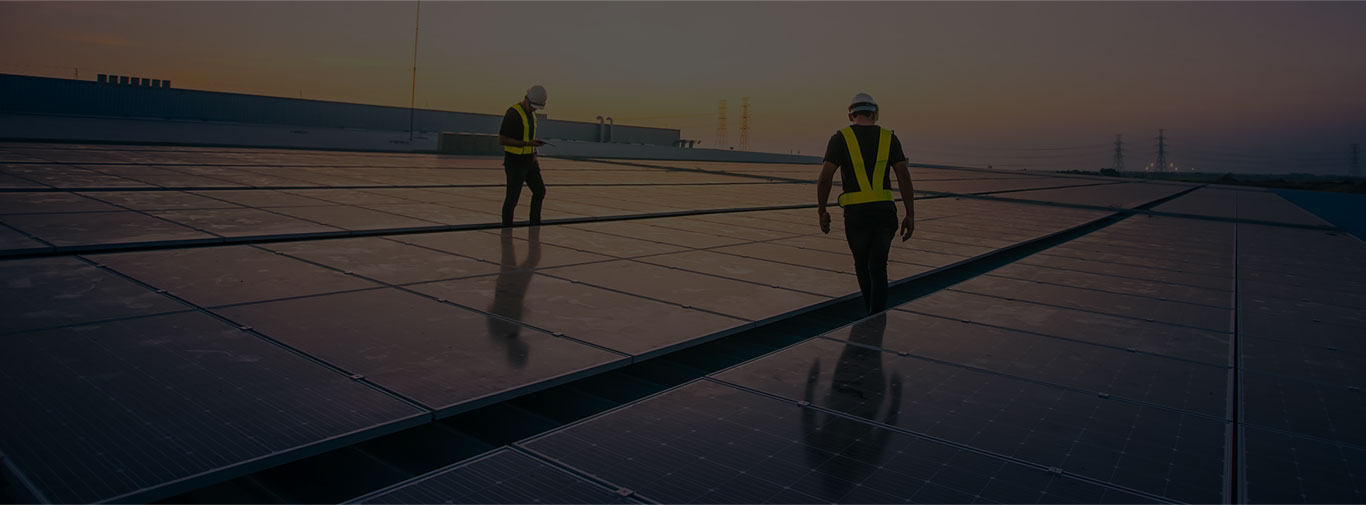
Today, environmental consciousness and technological innovation work hand in hand. Tapping solar energy gives you that power. Among the myriad solar solutions available, the 10 kW solar system emerges as a powerhouse, capable of transforming your home into an energy-efficient living space. Explore more about their benefits, components, installation intricacies, and the profound impact they have on both your lifestyle and the planet.
What Defines a 10 kW Solar System?
A 10 kW solar system represents a harmonious fusion of cutting-edge solar technology and energy efficiency. It signifies a system designed to generate 10,000 watts of electricity per hour under optimal conditions. This robust configuration caters to the needs of larger households and small to medium-sized businesses, promising a future where energy bills become relics of the past.
The Brilliance of 10 kW Solar Systems
1. Vast Energy Output: A 10 kW solar system is a powerhouse, capable of generating a substantial amount of electricity daily. This surplus energy can potentially eliminate your reliance on the grid, leading to remarkable savings on your monthly bills.
2. Eco-friendly: By opting for a 10 kW solar system, you champion the cause of environmental conservation. Solar energy is clean, renewable, and emits zero greenhouse gasses. Your choice contributes significantly to reducing your carbon footprint, creating a greener world for generations to come.
3. Get rid of traditional energy sources: In an age of uncertainty, energy independence is invaluable. A 10 kW solar system liberates you from the shackles of traditional energy sources, ensuring a continuous power supply even during grid failures, empowering you with uninterrupted electricity.
4. Financial Savvy: Beyond environmental gains, a 10 kW solar system is an astute financial investment. Government incentives, tax credits, and attractive financing options make the transition to solar power not only environmentally friendly but also financially savvy.
10 KW solar system price in Melbourne
The cost of a 10 kW solar system in Melbourne, Australia, typically ranged from around AUD 12,000 to AUD 20,000, depending on various factors such as the quality of solar panels, the brand of the inverter, installation costs, and any additional features or services included.
Please note that these prices are approximate and can vary based on market conditions, location, and specific requirements. To get the most accurate and up-to-date pricing information, get in touch with CR Solar, one of the leading solar installation companies in Melbourne. We offer competitive pricing and various packages, customized to your energy needs. You can also use online solar marketplace platforms to compare quotes tailored to your needs and location. Additionally, you can also leverage the government incentives and rebates.
How many components are there in a 10 KW solar system?
1. Solar Panels: Solar panels harness sunlight and convert it into electricity. A 10 kW system typically comprises 30 to 40 high-efficiency solar panels, strategically positioned to capture maximum sunlight throughout the day.
2. Inverters: Inverters serve as the bridge between your solar panels and your home appliances. They convert the direct current (DC) generated by the panels into alternating current (AC), ensuring compatibility with your electrical system.
3. Mounting Structures: Solar panels need a sturdy foundation. Mounting structures provide the necessary support, securing the panels on your roof or the ground, optimizing their exposure to sunlight.
4. Monitoring Systems: These intelligent systems keep you informed about your energy production and consumption. Real-time data empowers you to make informed decisions, maximizing the efficiency of your 10 kW solar system.
What it Takes for Installation
1. Strategic Planning: A successful solar journey begins with meticulous planning. Solar experts conduct a detailed site analysis, evaluating your roof’s orientation, shading, and available space. This data shapes the design of your 10 kW solar system.
2. Precision Installation: Trained professionals meticulously install the solar panels, inverters, and mounting structures. Attention to detail ensures optimal performance and longevity, transforming your roof into a hub of clean energy generation.
3. Grid Connection: If you opt for a grid-connected system, your 10 kW solar setup is seamlessly integrated with the local electricity grid. This bidirectional connection allows you to export excess energy, reducing your bills further and promoting energy sharing within your community.
4. Performance Assurance: Rigorous testing and quality checks ensure your system operates at peak efficiency. Technicians monitor the performance, guaranteeing your 10 kW solar system lives up to its promise, generating clean energy day after day.
How much electricity will a 10 KW solar system save me
Sure thing! With a 10 kW solar system, you can save a pretty decent amount of electricity, depending on where you are and how much sunshine you get. On average, it could generate around 36-44 kWh of electricity per day, which adds up to roughly 13,140-16,060 kWh per year. That’s a good chunk of energy! Just keep in mind that the actual savings will depend on factors like your energy consumption habits, local weather conditions, and how your solar panels are set up. It’s always best to chat with a local solar expert to get a more personalized estimate for your situation. Happy solar savings!
How many Solar panels are there in a 10KW Solar system?
In a 10 kW solar system, you’ll usually have approximately 30 to 40 solar panels, but the exact number can depend on several factors. The wattage of the individual panels plays a significant role.
Solar panels come in various wattage ratings, such as 300W, 320W, or 350W. So, if you have, let’s say, 320W panels, you’d need around 31 panels to make up a 10 kW system (10,000 watts / 320 watts per panel = 31.25 panels, rounding up to 31 panels).
Now, keep in mind that the number of panels may also be influenced by factors like the efficiency of the panels, the available roof space, and the orientation of the panels. Some panels are more efficient at capturing sunlight, which means you might need fewer of them to achieve a 10 kW capacity.
In any case, it’s a bunch of panels working together to harness the sun’s energy and power your home, so you’re making a great choice for clean and renewable electricity!
How Much Energy a 10 KW Solar System Produce
A 10 kW solar system is a robust setup, capable of producing a substantial amount of electricity from the sun’s energy. To break it down, the “10 kW” refers to the system’s capacity to generate 10 kilowatts of power under optimal conditions. This means that in one hour, the system can produce 10 kilowatt-hours (kWh) of electricity. To put this into perspective, an average American household consumes around 877 kWh per month, so a 10 kW system has the potential to generate a significant portion of a household’s electricity needs.
The actual amount of electricity a 10 kW solar system produces can vary based on several factors. Sunlight: The system’s location significantly influences its efficiency. Regions with more sunlight, like sunny deserts or tropical areas, will generate more electricity compared to places with frequent cloud cover.
Seasonal Changes: The amount of sunlight varies throughout the year due to the tilt of the Earth’s axis. Therefore, solar systems tend to produce more energy during summer months when days are longer and the sun is higher in the sky.
Panel Orientation and Tilt: The direction your solar panels face and their tilt angle impact their efficiency. For example, panels facing south and tilted at an optimal angle for the specific location can maximize energy production.
Shading and Obstructions: Even a small amount of shading, such as from nearby buildings or trees, can significantly reduce a solar panel’s efficiency. It’s essential to install solar panels in a location with minimal shading for optimal performance.
On average, a 10 kW solar system can generate between 36 to 44 kWh of electricity per day. Over the course of a year, this adds up to approximately 13,140 to 16,060 kWh. This energy production can not only meet a significant portion of a household’s electricity needs but also contribute to reducing carbon emissions and lowering electricity bills.
Moreover, excess electricity generated during sunny periods can often be fed back into the grid, earning credits or income through net metering programs, depending on local regulations. This makes solar power not only environmentally friendly but also economically advantageous for homeowners and businesses alike. It’s a win-win situation – harnessing the power of the sun to generate clean, renewable energy and potentially saving on electricity costs in the process.
Is 10 Kw Solar System Right for You?
1. High Energy Demand: If your household boasts a high energy consumption pattern due to a large family or energy-intensive appliances, a 10 kW solar system aligns perfectly with your needs.
2. Adequate Roof Space: Evaluate your roof space. A 10 kW solar system requires a significant area, free from shading, to accommodate the optimal number of panels.
3. Budget and Financing: Consider your budget and explore financing options. While a 10 kW solar system offers substantial savings, understanding your financial constraints is crucial to making an informed decision.
4. Eco-Conscious Living: If you’re passionate about environmental conservation and desire to reduce your carbon footprint, a 10 kW solar system empowers you to live in harmony with nature.
Things You Must Consider Before Investing in 10 KW Solar System
Investing in a 10 kW solar system for your home is a significant decision that can offer various benefits, including energy savings, reduced environmental impact, and potentially lower electricity bills. However, there are several crucial factors to consider before making such an investment:
1. Energy Needs : Evaluate your household’s energy consumption. Understand your average monthly and yearly energy usage to determine the appropriate size of the solar system you need. A 10 kW system might be suitable for a medium to large-sized household, but it’s essential to tailor the system to your specific needs.
2. Roof Suitability : Assess your roof’s condition, size, and orientation. A solar installer will evaluate if your roof can support the panels and if its orientation allows for optimal sunlight exposure. Consider any shading from nearby trees or buildings, as this can affect the system’s efficiency.
3. Budget: Determine your budget for the solar installation. Research available financing options, including loans, leases, or power purchase agreements (PPAs). Calculate the return on investment (ROI) to understand how long it will take to recoup your initial investment through energy savings.
4. Quality Components : Invest in high-quality solar panels, inverters, and mounting systems. Quality components often come with longer warranties and better performance, ensuring the system’s longevity and efficiency over the years.
5. Local Regulations and Incentives : Research local regulations, permits, and incentives related to solar installations. Many regions offer rebates, tax credits, or feed-in tariffs to encourage solar adoption. Understand the net metering policies in your area, allowing you to sell excess electricity back to the grid.
6. Solar Installer : Choose a reputable and experienced solar installation company. Research customer reviews, check their credentials, and ask for quotes from multiple installers. A qualified installer ensures proper system design, installation, and maintenance.
7. Maintenance and Warranties : Understand the maintenance requirements of the system and the warranties provided by the manufacturer and installer. Regular maintenance is essential to ensure the system operates efficiently over its lifespan.
8. Energy Storage (Optional) : Consider adding an energy storage system (such as a solar battery) if you want to store excess energy for use during power outages or during peak demand times. Energy storage can increase your energy independence but adds to the initial cost.
9. Future Expansion : Think about the potential for future expansion. If your energy needs might increase, plan the system installation and configuration in a way that allows for easy expansion.
10. Environmental Impact : Lastly, consider the environmental benefits of going solar. By reducing your reliance on fossil fuels, you’re contributing to a greener planet. Understanding the positive impact your decision can have may also factor into your choice.
By carefully considering these factors and conducting thorough research, you can make an informed decision about investing in a 10 kW solar system for your home, ensuring it meets your energy needs and financial goals while minimizing its environmental impact.
Embrace Brighter Tomorrow with 10 KW Solar System
In embracing a 10 kW solar system, you embark on a transformative journey toward energy self-sufficiency and environmental stewardship. Your home becomes a bastion of innovation, where sustainability meets cutting-edge technology. It’s not just a system; it’s a commitment to a brighter, greener tomorrow, where your choices echo through generations, leaving a legacy of responsible living.
As you bask in the brilliance of your 10 kW solar system, you not only elevate your lifestyle but also contribute to a global movement—one that envisions a world powered by the sun, where clean energy illuminates the path to a sustainable future. Welcome to a new era, where your home becomes a beacon of brilliance, powered by the boundless energy of the sun, shaping a world where every ray of sunshine contributes to a brighter, cleaner, and more sustainable tomorrow.